Indian desserts offer a wide range of textures, flavors, and preparation styles. Some are crisp and syrupy, while others are creamy, nutty, or milk-based. One classic that stands apart is a soft cheese-based dessert served in sweetened, flavored milk. For people searching for Rasmalai in Illinois, understanding its ingredients, preparation, texture, and traditional role can make it easier to appreciate what makes this dessert distinctive.
For Indian food lovers across Illinois, traditional sweets are often part of family meals, celebrations, weekend dining, and gatherings. They can also provide a simple way to explore different regional dessert traditions without choosing an elaborate meal.
Table of Contents
- What Is This Classic Indian Dessert?
- What Makes It Different From Other Indian Sweets?
- How Is It Traditionally Prepared?
- What Does It Taste Like?
- Rasmalai vs. Rasgulla: What Is the Difference?
- Why Is It Popular During Celebrations?
- What Should You Look for When Ordering in Illinois?
- Enjoying Indian Desserts at A2B Illinois
- Frequently Asked Questions
- Exploring Indian Sweets in Illinois
What Is This Classic Indian Dessert?
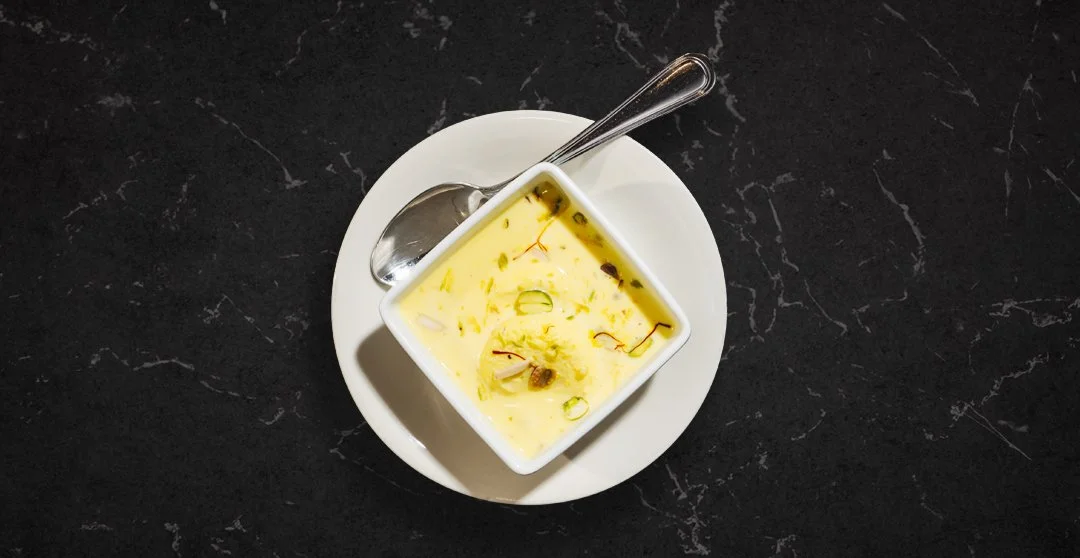
Rasmalai is a traditional Indian milk-based dessert made with soft chhena or fresh cottage cheese dumplings served in sweetened, thickened milk. The milk is commonly flavored with ingredients such as cardamom and saffron and finished with chopped nuts such as pistachios or almonds.
The combination creates a dessert with two contrasting elements: tender, lightly spongy pieces and creamy, aromatic milk. It is traditionally served chilled, allowing the flavors and texture to come together.
For anyone exploring Indian desserts in Illinois, this is a useful example of how Indian sweets can combine dairy, spices, nuts, and carefully controlled sweetness.
What Makes It Different From Other Indian Sweets?
The defining feature is the combination of fresh cheese dumplings and flavored milk. Unlike many Indian sweets that rely heavily on sugar syrup, this dessert gets much of its character from reduced milk and aromatic ingredients.
The milk is generally cooked until it develops a richer consistency. Cardamom adds a warm fragrance, while saffron can contribute a subtle floral aroma and golden color. Almonds and pistachios provide a mild crunch against the soft texture.
This balance is one reason traditional Indian desserts can feel very different from Western-style cakes, puddings, or pastries. The emphasis is often on texture, dairy, spices, and restrained sweetness rather than a single dominant flavor.
How Is It Traditionally Prepared?
Traditional preparation involves making chhena, shaping it into small portions, cooking the pieces in sugar syrup, and then soaking them in sweetened, reduced milk. The milk is typically flavored with cardamom, saffron, or nuts before the dessert is chilled.
The process generally begins by curdling milk and separating the solids from the whey. The resulting chhena is drained and kneaded until it reaches a smooth consistency. Small portions are shaped and cooked in sugar syrup until they become soft and slightly spongy.
Separately, milk is simmered to develop a richer body. Sugar and aromatic ingredients are added, followed by nuts or saffron depending on the preparation. The cooked pieces are then placed into the flavored milk and chilled before serving.
This preparation explains why the final dessert has a texture that is neither firm like a cake nor liquid like a pudding.
What Does It Taste Like?
The flavor is usually creamy, mildly sweet, and aromatic, with a soft, moist texture. Cardamom provides warmth, saffron may add a delicate floral note, and nuts introduce a subtle contrast in texture.
A well-prepared version should allow the milk and cheese dumplings to complement each other rather than having one element overwhelm the other. Serving it chilled also gives the dessert a refreshing quality, particularly after a flavorful Indian meal.
For those trying an Indian dessert in Illinois for the first time, the combination of dairy, spice, and gentle sweetness can be a useful introduction to traditional Indian sweets.
Rasmalai vs. Rasgulla: What Is the Difference?
The main difference is how the two Bengali sweets are served: Rasgulla consists of soft chhena dumplings soaked in sugar syrup, while Rasmalai combines similar dumplings with sweetened, thickened milk.
Both desserts use chhena and have a soft, spongy texture. However, Rasgulla is primarily associated with a clear or lightly flavored sugar syrup, while the other dessert uses creamy milk as its defining element.
The difference becomes particularly noticeable when tasting them side by side. Rasgulla tends to be lighter and more syrup-focused, whereas the milk-based dessert has a richer mouthfeel and stronger dairy character.
Understanding this distinction can help diners navigate menus featuring a wide selection of Indian sweets in Illinois.
Why Is It Popular During Celebrations?
Traditional Indian sweets are closely connected with festivals, family gatherings, religious occasions, birthdays, weddings, and other celebrations. Milk-based desserts are particularly common because they can be prepared in advance and shared among groups.
In Illinois, Indian communities continue to enjoy these traditional foods during family occasions and community celebrations. Desserts can also become part of weekend restaurant dining, group meals, and gatherings where people want to finish a meal with something familiar and shareable.
This cultural connection is one reason searches such as Rasmalai Illinois and traditional Indian sweets remain relevant for people looking to experience familiar flavors away from their hometowns or family kitchens.
What Should You Look for When Ordering in Illinois?
When ordering this dessert at an Indian restaurant in Illinois, pay attention to texture, milk consistency, sweetness, aroma, and serving temperature.
A few practical things to consider include:
- Texture: The cheese dumplings should be soft and moist rather than dense or rubbery.
- Milk consistency: The flavored milk should have body without becoming excessively thick.
- Sweetness: The sugar should complement the dairy and spices rather than dominate them.
- Aroma: Cardamom, saffron, or other traditional flavorings should provide a noticeable but balanced fragrance.
- Temperature: Chilling is an important part of the typical serving experience.
- Freshness: Dairy-based desserts are best enjoyed when properly stored and served fresh.
These details are especially useful when comparing dessert options at different Indian restaurants or looking for Rasmalai near me.
Enjoying Indian Desserts at A2B Illinois
A2B Illinois provides an option for diners looking for traditional vegetarian Indian cuisine alongside familiar South Indian and broader Indian dishes. As a pure veg restaurant in Illinois, A2B offers a vegetarian dining environment where desserts can be enjoyed as part of a larger meal.
The menu experience can include familiar choices such as dosa, idli, vadai, thali, curries, and traditional sweets and desserts. For diners exploring Indian vegetarian food in Illinois, having both savory dishes and dessert options in one meal can make it easier to experience different parts of Indian cuisine.
Dessert can also be incorporated into different dining occasions. Families may share sweets after a meal, while groups meeting for weekend dining or celebrations may choose several items to enjoy together.
For diners who prefer convenience, the option to order Indian food online can also make it easier to enjoy a vegetarian Indian meal at home. Ordering online may be practical for family meals, office gatherings, or occasions when dining in is not convenient.
Frequently Asked Questions
What is Rasmalai made of?
The dessert is traditionally made with chhena or fresh cottage cheese, milk, sugar, and flavoring ingredients such as cardamom and saffron. Almonds and pistachios are commonly used as garnishes. The chhena is shaped into soft pieces, cooked in sugar syrup, and then served in sweetened, reduced milk.
How is it different from Rasgulla?
Both sweets are traditionally made using chhena, but their serving styles are different. Rasgulla is served in sugar syrup, giving it a lighter, syrup-focused character. Rasmalai uses sweetened, thickened milk, resulting in a creamier texture and richer dairy flavor.
Where can I find traditional Indian sweets in Illinois?
Traditional Indian sweets can be found at Indian restaurants and sweet shops across Illinois. When choosing where to try them, consider freshness, preparation style, texture, and whether the restaurant specializes in vegetarian or regional Indian cuisine. Searching for Indian sweets near me can help identify nearby options.
Can I order Indian desserts online?
Many Indian restaurants provide online ordering for meals and selected desserts, although availability varies by location and menu. If you prefer enjoying traditional sweets at home, check the restaurant’s current online menu before placing an order to confirm that the dessert is available.
Exploring Indian Sweets in Illinois
Indian sweets reflect the diversity of India’s culinary traditions, with regional differences in ingredients, preparation methods, sweetness, and texture. Milk-based desserts are particularly interesting because they show how simple ingredients such as milk, sugar, fresh cheese, cardamom, saffron, and nuts can be transformed through careful preparation.
For anyone exploring Indian desserts in Illinois, trying different sweets alongside a vegetarian Indian meal can provide a broader understanding of the cuisine. A2B Illinois offers one such setting for experiencing vegetarian Indian food and traditional dessert options.
Whether enjoyed after a family meal, during a celebration, or as part of an order online Food experience, traditional sweets remain an important part of Indian dining culture. Understanding how they are prepared and what distinguishes them can make the experience more meaningful for both newcomers and longtime Indian food lovers.