
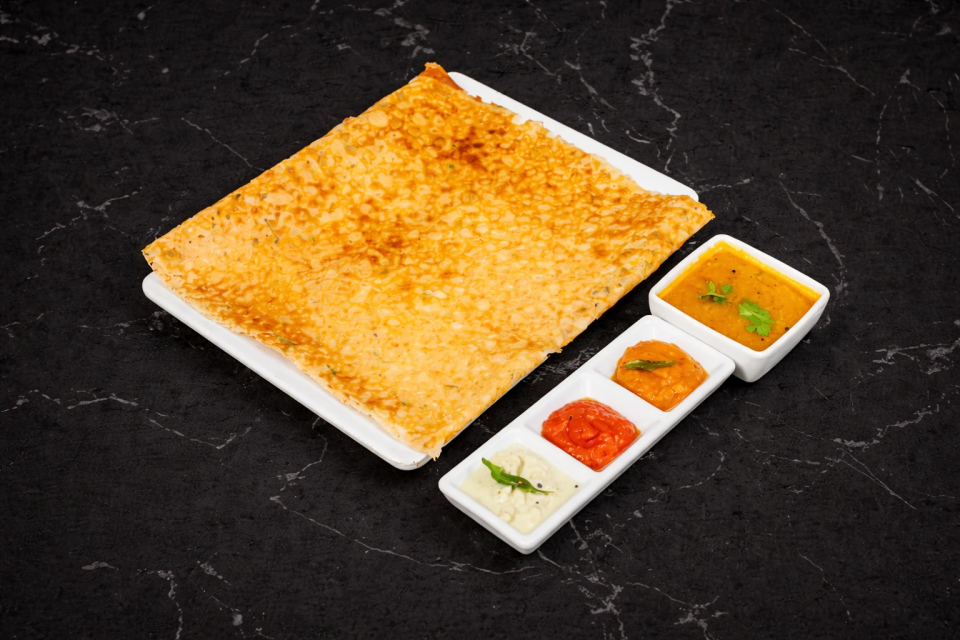
Dosa is usually associated with rice and lentils, but South Indian cooking includes many variations built around regional grains. Ragi and kambu are two millets that give dosa a noticeably different color, flavor, and character from the familiar plain or masala dosa.
For diners searching for Millet Dosa in Warrenville IL, understanding the difference between these grains can make ordering easier. Ragi, also known as finger millet, has a deeper color and an earthy flavor. Kambu, or pearl millet, generally has a lighter appearance and a more distinctly grain-forward taste.
A2B Illinois lists Millet Dosa – Ragi/Kambu on its menu, providing Warrenville diners with an opportunity to experience this traditional South Indian millet preparation.
Table of Contents
- What Is Millet Dosa?
- What Is Ragi Dosa?
- What Is Kambu Dosa?
- Ragi Dosa vs Kambu Dosa: What Is the Difference?
- How Does Millet Dosa Differ from Regular Dosa?
- What Is Served with Millet Dosa?
- Where Can You Find Millet Dosa in Warrenville, IL?
- Frequently Asked Questions
- Exploring Millet-Based South Indian Food in Warrenville
What Is Millet Dosa?
Millet dosa is a South Indian crepe made using millet as an important part of the batter. Depending on the preparation, the millet may be combined with rice, lentils, or other ingredients to create a batter that cooks into a thin or moderately thick dosa.
“Millet” does not identify one grain. It describes a group of small-seeded grains used in many traditional cuisines. In South India, different millet varieties have regional names and distinct culinary uses.
Ragi and kambu are not interchangeable names for the same ingredient:
- Ragi means finger millet.
- Kambu is the Tamil name for pearl millet.
- Each grain produces a different flavor, color, and batter consistency.
- The exact dosa texture depends on the restaurant’s batter and cooking method.
This distinction is useful for anyone exploring South Indian food beyond the most familiar rice-based dosa varieties.
What Is Ragi Dosa?
Ragi dosa is a millet-based dosa prepared with finger millet. It is generally recognized by its brown or reddish-brown color, earthy aroma, and mildly nutty flavor. The final texture may be thin and crisp or slightly softer, depending on the batter and how it is spread on the griddle.
Ragi has long been used in South Indian home cooking. In addition to dosa, it may appear in dishes such as ragi mudde, porridge, roti, and other regional preparations.
The grain’s naturally dark color gives ragi dosa a visual identity that separates it from a traditional golden rice-and-lentil dosa. Its flavor is also more pronounced. Instead of acting mainly as a neutral base for chutney and sambar, ragi contributes its own earthy character to every bite.
Someone ordering ragi dosa in Warrenville, IL for the first time should expect a dosa that tastes more grain-forward than an ordinary plain dosa. The accompaniments remain important, but the millet is not hidden behind them.
Readers interested in comparing it with more familiar preparations can explore the South Indian dosa varieties available in Warrenville.
What Is Kambu Dosa?
Kambu dosa is made with pearl millet, a grain traditionally called kambu in Tamil. It commonly has a grayish, beige, or light brown appearance and a rustic, mildly nutty taste. Its texture can range from crisp at the edges to softer through the center.
Pearl millet has a long history in warm, dry regions because it grows under conditions that can be challenging for other grains. This helped it become part of everyday cooking traditions across several parts of India.
In Tamil cuisine, kambu may be used in porridge, fermented preparations, flatbreads, and dosa. Its flavor differs from ragi: ragi tends to be darker and earthier, while kambu usually produces a lighter but still clearly grain-based taste.
Recipes vary between households and restaurants. Some preparations combine pearl millet with rice or lentils, while others use different proportions to create a particular level of crispness. For that reason, one kambu dosa may not look or taste exactly like another.
Ragi Dosa vs Kambu Dosa: What Is the Difference?
The main difference between ragi dosa and kambu dosa is the millet used. Ragi dosa contains finger millet and generally has a darker color and earthy flavor. Kambu dosa uses pearl millet and usually has a lighter appearance, a rustic grain flavor, and a somewhat different texture.
| Feature | Ragi Dosa | Kambu Dosa |
| Millet | Finger millet | Pearl millet |
| Common regional name | Ragi or kezhvaragu | Kambu |
| Typical color | Brown or reddish-brown | Beige, grayish or light brown |
| Flavor | Earthy and mildly nutty | Rustic and grain-forward |
| Texture | Varies from crisp to soft | Varies from crisp-edged to soft-centered |
These characteristics are general rather than fixed. Batter ratios, fermentation, griddle temperature, thickness, and cooking time can all change the result.
If you enjoy a deeper, earthier flavor, ragi dosa may be the more appealing choice. If you want to experience the distinctive taste of pearl millet, kambu dosa may suit you better. Trying both is the clearest way to understand the difference.
How Does Millet Dosa Differ from Regular Dosa?
A regular dosa is typically based on rice and urad dal, while millet dosa incorporates a grain such as ragi or kambu. Millet changes the dosa’s color, aroma, flavor, batter behavior, and sometimes its finished texture.
Traditional dosa is familiar for its golden surface, crisp edges, and mild fermented flavor. That relatively neutral base works easily with potato masala, chutneys, and sambar.
Millet dosa offers a different experience. The grain contributes more of its own flavor, meaning the dosa remains noticeable even when paired with a strongly seasoned accompaniment. It may also appear darker or more rustic than a standard dosa.
Neither style needs to replace the other. Regular dosa offers the classic rice-and-lentil experience, while millet dosa lets diners explore how regional grains change a familiar South Indian dish.
What Is Served with Millet Dosa?
Millet dosa is commonly served with chutney and sambar. These accompaniments create contrast and help diners experience the grain in different ways.
- Coconut chutney contributes a cool, creamy flavor.
- Tomato or spicy chutney can add acidity and heat.
- Sambar provides warmth, lentil richness, vegetables, and tanginess.
- Additional chutney varieties introduce different levels of spice and texture.
Try the first piece of dosa by itself before adding an accompaniment. This makes it easier to notice whether you are tasting the earthy character of ragi or the rustic flavor of kambu. You can then compare it with chutney and sambar.
Millet dosa can work as part of a broader South Indian tiffin meal. Diners unfamiliar with the cuisine may pair it with idli, vada, pongal, or filter coffee to experience contrasting textures. The guide to South Indian breakfast in Warrenville offers additional context on these dishes.
Where Can You Find Millet Dosa in Warrenville, IL?
Diners searching for Millet Dosa in Warrenville IL can find a Ragi/Kambu Millet Dosa listed at A2B Illinois, located at 28244 Diehl Road, Warrenville, IL 60555.
A2B is a pure vegetarian Indian restaurant serving South Indian tiffin, dosa varieties, thalis, curries, rice dishes, sweets, and beverages. Its millet dosa is listed as an all-days item and is served with varieties of chutney and sambar.
Because the menu groups ragi and kambu under one millet dosa listing, diners who specifically want one grain should confirm which option is being served when placing an order. The current selection and availability may vary.
Review the A2B Illinois menu before visiting, or use the online ordering service to check current pickup availability.
Frequently Asked Questions
What is millet dosa?
Millet dosa is a South Indian crepe that incorporates millet into its batter. Ragi and kambu are two possible millet varieties. The precise recipe can differ, with restaurants and households using different combinations of millet, rice, lentils, and seasonings to achieve their preferred flavor and texture.
What is the difference between ragi dosa and kambu dosa?
Ragi dosa uses finger millet, while kambu dosa uses pearl millet. Ragi generally gives the dosa a darker brown color and an earthy taste. Kambu usually creates a lighter gray or beige dosa with a rustic grain flavor. Batter preparation and cooking technique also affect their final textures.
What does ragi dosa taste like?
Ragi dosa has a noticeable earthy, mildly nutty flavor. It is more grain-forward than a conventional rice-and-lentil dosa and is generally darker in appearance. Its texture may be crisp or slightly soft depending on the batter, thickness, griddle temperature, and preparation followed by the kitchen.
Does A2B Illinois serve ragi and kambu dosa?
A2B Illinois currently lists “Millet Dosa – Ragi/Kambu” as an all-days menu item served with chutney varieties and sambar. Since both grains appear under a single listing, contact the restaurant or review its current ordering menu if you want to confirm which millet option is available that day.
Exploring Millet-Based South Indian Food in Warrenville
Ragi and kambu dosa give diners a practical way to explore traditional grains without moving too far from the familiar dosa format. Ragi offers a darker appearance and deeper earthy notes, while kambu introduces the characteristic taste of pearl millet.
This comparison makes millet dosa relevant to longtime South Indian food lovers as well as diners curious about regional vegetarian cooking. It can be enjoyed alone, paired with chutney and sambar, or ordered alongside other tiffin dishes for a broader tasting experience.
For anyone looking for Millet Dosa in Warrenville IL, A2B Illinois brings this grain-based South Indian preparation into the local dining landscape. Confirm the day’s option, taste the dosa before adding accompaniments, and notice how the millet changes a familiar classic.