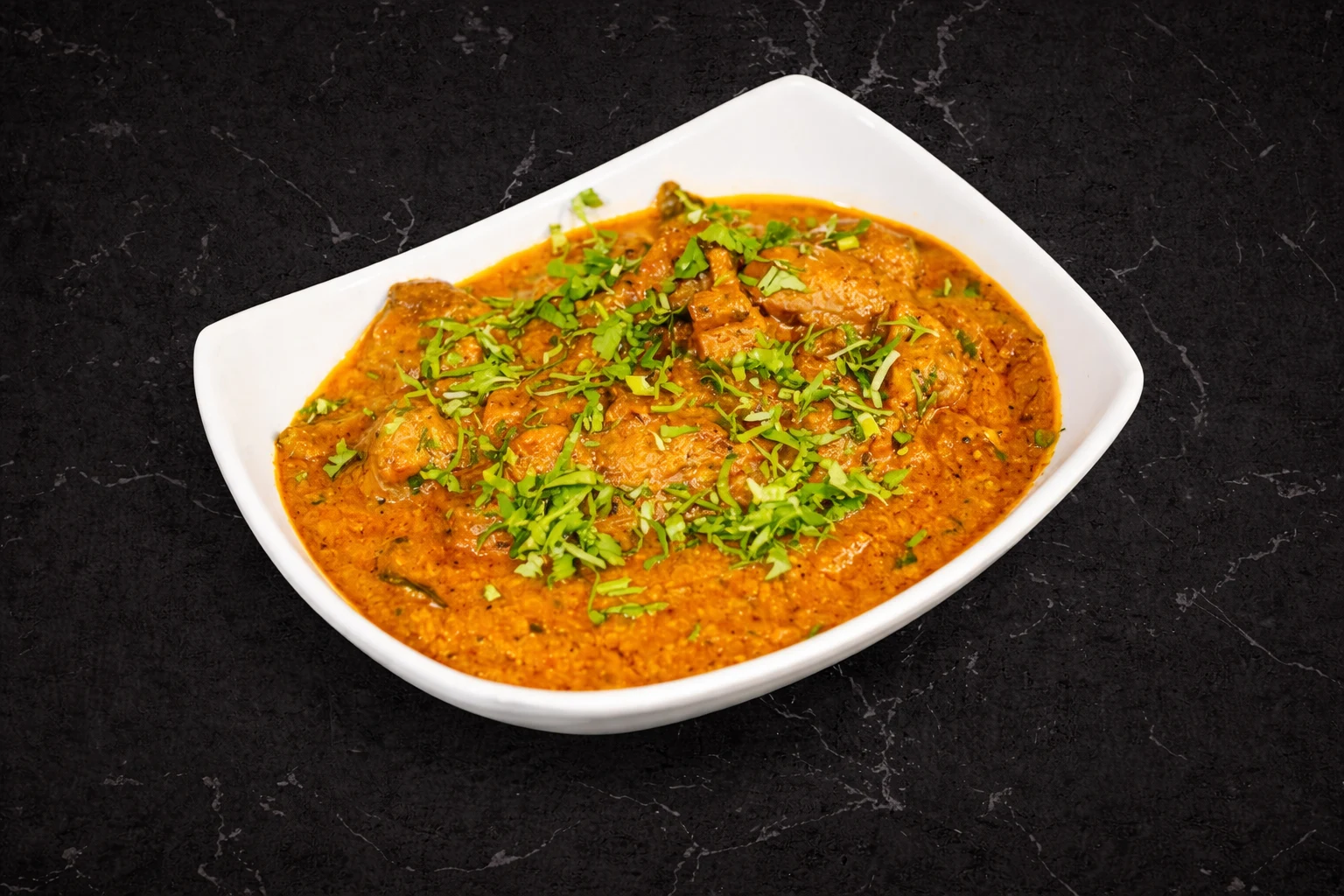
Mushroom curry is not one fixed recipe in South Indian cooking. Its flavor changes according to the region, spice blend, cooking technique, and use of ingredients such as curry leaves or coconut. For diners exploring Mushroom Curry in Warrenville, IL, understanding these differences makes it easier to select a preparation that matches their preferred flavor, texture, and spice level.
Mushrooms have an earthy character and naturally savory taste, making them especially suitable for regional vegetarian curries. At a pure vegetarian restaurant in Illinois, diners may encounter several interpretations rather than one standard mushroom gravy.
Table of Contents
- What Makes South Indian Mushroom Curry Different?
- Why Are Curry Leaves Important in Mushroom Curry?
- How Do Regional Mushroom Curries Compare?
- Where Can You Find Mushroom Curry in Warrenville, IL?
- What Should First-Time Diners Pair With Mushroom Curry?
- Why Does Mushroom Curry Suit Warrenville’s Dining Culture?
- Frequently Asked Questions
- A Familiar Ingredient With Regional Character
What Makes South Indian Mushroom Curry Different?
South Indian mushroom curry typically combines mushrooms with onions, curry leaves, regional spices and, in some preparations, coconut. Instead of depending only on cream for richness, these curries develop flavor through tempering, roasting, sautéing, and carefully layering aromatics.
Mushrooms release moisture as they cook. The cook must allow that liquid to reduce while giving the mushrooms enough time to absorb the surrounding seasonings. If cooked for too long, they can become overly soft; if removed too early, the spices may remain separate from the main ingredient.
Mushrooms also contain natural compounds connected to umami, the savory taste found in foods such as tomatoes and aged cheese. This helps a vegetarian mushroom curry feel substantial without requiring paneer, lentils, meat, or a dairy-heavy sauce.
The broader Indian food menu at A2B Illinois demonstrates how mushrooms can be paired with curry leaves, Chettinad spices, coconut, rice, and other regional ingredients.
Why Are Curry Leaves Important in Mushroom Curry?
Curry leaves provide a warm, citrusy and slightly nutty aroma. They are generally tempered briefly in hot oil, which releases their essential oils and allows their fragrance to season the onions, mushrooms, spices, and gravy.
Curry leaves and curry powder are not the same ingredient. Curry powder is a prepared spice mixture, while curry leaves are fresh leaves from the curry tree. They are widely used in South Indian tempering and contribute a recognizable aroma that cannot be recreated by simply adding more ground spices.
This technique works particularly well with mushrooms. Their mild, earthy flavor carries the aroma of curry leaves without overwhelming it. The leaves are therefore part of the curry’s flavor foundation rather than a decorative garnish added at the end.
How Do Regional Mushroom Curries Compare?
Curry Leaf Mushroom Curry emphasizes herbal aroma and Karaikudi-style seasoning. Mushroom Chettinad offers a deeper roasted-spice character, while Kerala-style Koon Curry commonly uses coconut to produce a smoother, more rounded gravy.
Curry Leaf Mushroom Curry
A2B’s Curry Leaf Mushroom Curry combines mushrooms, curry leaves, onions, and traditional spices in a Karaikudi-style preparation. Its defining quality is aroma. The onions provide sweetness, the mushrooms contribute an earthy bite, and the curry leaves add herbal warmth.
Mushroom Chettinad
Chettinad cooking is associated with layered spices and bold aromatics. Mushroom Chettinad may offer more noticeable pepper, fennel, dried chilli, or roasted-spice notes, depending on the recipe. Readers can explore how these elements work together in A2B’s guide to Mushroom Chettinad in Warrenville.
Kadai Mushroom is another distinct preparation that should not be confused with Chettinad curry. It is generally associated with a tomato-onion base and kadai-style spices. A separate guide explains the characteristics of Kadai Mushroom in Illinois.
Kerala-Style Koon Curry
“Koon” is a Malayalam word for mushroom. Kerala-style Koon Curry commonly incorporates coconut, giving the preparation greater body and a gentler finish. Coconut can soften sharper spice notes while allowing curry leaves and other aromatics to remain noticeable.
These differences show why choosing mushroom curry is not only about selecting a spice level. Each preparation builds aroma, texture, and depth through a different regional method.
Where Can You Find Mushroom Curry in Warrenville, IL?
A2B Indian Veg in Warrenville lists Curry Leaf Mushroom Curry, Mushroom Chettinad, and Kerala-style Koon Curry. These dishes offer three distinct approaches to South Indian vegetarian mushroom cooking.
A2B is located on Diehl Road and serves a completely vegetarian menu. For diners searching for a South Indian restaurant near Warrenville, the presence of multiple regional mushroom curries provides more choice than a single generic preparation.
Those who appreciate the aroma of curry leaves may prefer Curry Leaf Mushroom Curry. Diners who enjoy roasted spices and greater warmth can consider Mushroom Chettinad, while customers looking for a coconut-based gravy may find Koon Curry more suitable.
Recipes, availability, and spice levels can change. Customers with allergies, vegan preferences, or other dietary requirements should confirm current ingredients with the restaurant before ordering.
What Should First-Time Diners Pair With Mushroom Curry?
Mushroom curry pairs well with breads that collect the gravy, rice that absorbs its spices, and cooling accompaniments that balance its warmth. The most suitable pairing depends on whether the curry is dry, semi-dry, or gravy-based.
Parotta complements a thicker mushroom preparation because its flaky layers hold the sauce. Chapati provides a lighter pairing, while plain rice works particularly well with coconut-based Koon Curry. Dosa may also offer an enjoyable contrast between a crisp exterior and tender mushrooms.
For group dining, order one mushroom curry with bread or rice and a contrasting vegetable dish. Diners who enjoy the ingredient but prefer a rice-based meal can also explore Mushroom Biryani in Illinois.
A simple ordering guide is:
- Choose Curry Leaf Mushroom Curry for a fragrant, curry-leaf-forward profile.
- Choose Mushroom Chettinad for deeper spices and more noticeable warmth.
- Choose Koon Curry for a coconut-based Kerala preparation with a smoother finish.
Why Does Mushroom Curry Suit Warrenville’s Dining Culture?
Warrenville draws diners from nearby Naperville, Wheaton, Lisle, Aurora and other western Chicago suburbs. Local dining occasions range from weekday office lunches to relaxed weekend meals and family gatherings.
Mushroom curry works across these occasions because it can serve as a vegetarian centerpiece or as one part of a shared meal. Professionals can pair it with rice or bread during a South Indian vegetarian lunch in Warrenville, while families can combine it with dosa, appetizers, rice, and other curries.
For weekend group dining, comparing Curry Leaf Mushroom Curry, Mushroom Chettinad, and Koon Curry can turn one familiar ingredient into a broader regional food experience. This variety complements the local interest in a relaxed weekend food experience in Warrenville.
Frequently Asked Questions
Is South Indian mushroom curry always spicy?
No. The heat depends on the preparation and spice blend. Mushroom Chettinad may be more peppery and spice-forward, while coconut-based Koon Curry can have a smoother profile. Curry Leaf Mushroom Curry focuses strongly on aroma. Diners sensitive to heat should ask about the current preparation.
What is the difference between Curry Leaf Mushroom Curry and Mushroom Chettinad?
Curry Leaf Mushroom Curry emphasizes curry leaves, onions, and Karaikudi-style seasoning. Mushroom Chettinad generally develops a deeper roasted-spice profile and may contain more noticeable pepper or chilli warmth. Both use mushrooms, but their aromas, spice construction, and overall flavor experiences are different.
What goes well with mushroom curry?
Mushroom curry can be paired with chapati, parotta, dosa, or rice. Flaky bread works well with thicker gravies, while rice complements coconut-based preparations. For a shared meal, add a contrasting vegetable dish and a cooling accompaniment to create variety in flavor, texture, and heat.
Where can I try vegetarian Mushroom Curry in Warrenville, IL?
A2B Indian Veg in Warrenville lists Curry Leaf Mushroom Curry, Mushroom Chettinad, and Kerala-style Koon Curry. These dishes provide different ways to experience mushrooms in South Indian cooking. Customers should check the current menu or contact the restaurant to confirm availability, spice levels, and dietary details.
A Familiar Ingredient With Regional Character
Mushroom curry will appeal to vegetarians, diners interested in regional Indian food, and anyone who enjoys earthy ingredients paired with aromatic spices. Curry leaves can make it fragrant, Chettinad seasonings can create depth, and coconut can produce a gentler Kerala-style interpretation.
Exploring Mushroom Curry in Warrenville, IL is therefore more than choosing a vegetarian entrée. It offers an opportunity to understand how regional cooking techniques transform one familiar ingredient into several distinctive dishes. Through these mushroom preparations, A2B Illinois contributes meaningful regional variety to Warrenville’s South Indian dining landscape.