
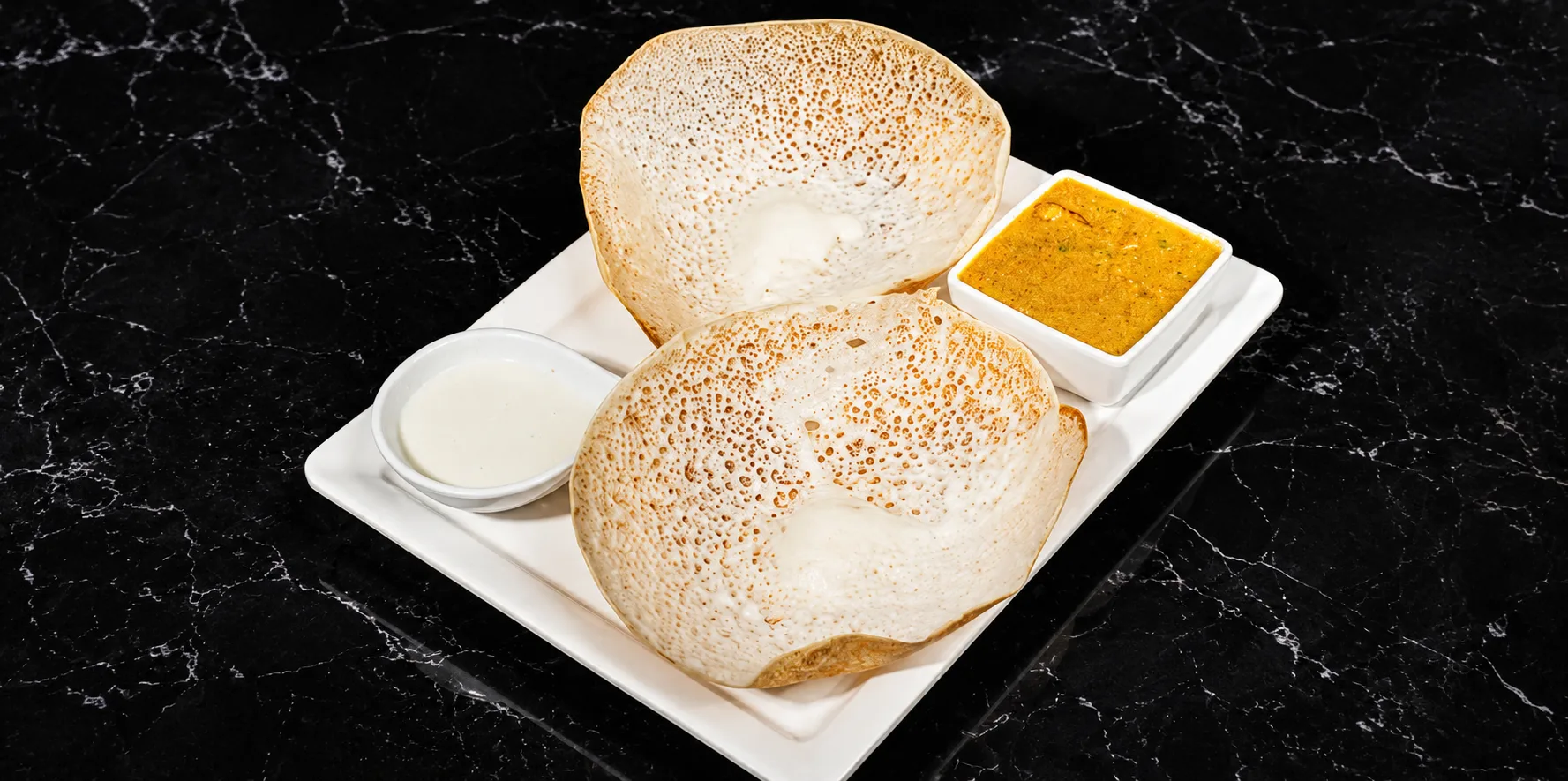
Many diners know South Indian cuisine through dosa, idli, and vada, but appam offers a completely different exp Appam Near Me, they are usually looking for a freshly prepared rice-based dish with delicate crispy edges, a soft center, and a mild coconut flavor that pairs well with comforting curries.
Appam is especially associated with Kerala’s breakfast tradition. Its fermented rice batter and distinctive bowl-like shape make it lighter and softer than many familiar Indian flatbreads. For diners in Warrenville and nearby Illinois communities, trying authentic appam is also a way to explore a more regional side of South Indian cooking.
Table of Contents
- What Are Diners Looking for When They Search for Appam Near Me?
- What Makes Authentic South Indian Appam Different?
- How Does Fermentation Create Appam’s Texture?
- What Is Traditionally Served with Appam?
- Where Can You Find Appam in Warrenville, IL?
- What Should First-Time Diners Order with Appam?
- What Is the Difference Between Appam and Dosa?
- Frequently Asked Questions
- A Regional South Indian Favorite in Illinois
What Are Diners Looking for When They Search for Appam Near Me?
People searching for Appam Near Me generally want freshly cooked appam with thin, slightly crisp edges and a soft, fluffy middle. They may also be looking for a South Indian restaurant that serves appam with a suitable accompaniment such as vegetable kurma, coconut milk, stew, or another gently spiced curry.
Freshness matters because appam is at its best shortly after it comes out of the pan. The edges should remain light and delicate, while the thicker center should be tender enough to absorb curry.
Searchers may also want to know whether the appam is vegetarian, what it tastes like, and whether it is suitable for breakfast, lunch, or dinner. Unlike a heavily filled or strongly seasoned dish, appam receives much of its flavor from the accompaniment served beside it.
What Makes Authentic South Indian Appam Different?
Authentic South Indian appam is a bowl-shaped rice pancake prepared from fermented rice batter, often with coconut or coconut milk. It has thin, lacy edges and a thicker, soft center. The mild flavor allows it to absorb vegetable kurma, stew, coconut milk, and other curries without overpowering them.
Appam is closely connected to Kerala’s culinary traditions, where rice and coconut are foundational ingredients. Kerala Tourism describes appam as a staple breakfast dish known for its fluffy texture and ability to complement a wide range of savory preparations.
The shape is another defining feature. Appam is traditionally cooked in a curved pan called an appachatti. After the batter is poured, the pan is gently rotated so a thin layer spreads around the sides while more batter remains in the center. The result is a crisp outer ring surrounding a soft, almost bread-like middle.
A properly prepared appam therefore delivers two textures in one bite: a delicate edge with a tender center.
How Does Fermentation Create Appam’s Texture?
Fermentation helps give appam its airy structure, subtle tang, and soft center. As the rice-based batter rests, fermentation creates small air bubbles. When the batter is cooked in the curved pan, those bubbles contribute to a light, porous texture that absorbs coconut milk, kurma, and stew.
Traditional recipes vary by household and region. Some use ground rice, cooked rice, grated coconut, coconut milk, yeast, or naturally fermented coconut water. The batter is generally allowed to rest for several hours before cooking. Kerala Tourism’s appam preparations demonstrate how this fermentation period helps produce the dish’s characteristic softness.
The fermentation also creates a gentle sour note. It should not taste sharply acidic. Instead, the mild tang balances the natural sweetness of rice and coconut.
This is one reason freshly prepared appam tastes different from an ordinary rice pancake. Its flavor and texture depend not only on the ingredients but also on resting time, batter consistency, pan shape, and cooking temperature.
What Is Traditionally Served with Appam?
Appam is commonly served with vegetable stew, kurma, coconut milk, egg curry, chicken stew, or other mild curries. Its soft center absorbs gravy easily, while its neutral rice-and-coconut flavor balances creamy, savory, and gently spiced accompaniments. Vegetarian diners can enjoy it with vegetable kurma or coconut-based vegetable stew.
For a sweeter experience, appam may be paired with lightly sweetened coconut milk. The combination highlights the coconut notes already present in the batter and works well for diners who prefer a mild breakfast.
For a savory meal, vegetable kurma provides more contrast. Vegetables, spices, and a creamy gravy add richness without masking the appam’s light texture.
Kerala’s regional food tradition also includes appam with ishtu, a mild coconut milk stew prepared with vegetables and, in some versions, meat. Although appam can accompany stronger curries, a mild or moderately spiced gravy usually allows its subtle flavor to remain noticeable.
Where Can You Find Appam in Warrenville, IL?
Diners looking for Appam in Warrenville, IL can find it among the house specials at A2B Indian Veg Restaurant. A2B Illinois describes its appam as a South Indian preparation made with fermented rice batter and coconut milk, served with vegetable kurma and coconut milk.
This combination offers two ways to enjoy the dish. The vegetable kurma creates a savory meal, while the coconut milk brings out appam’s mild sweetness.
A2B Illinois is located at 28244 Diehl Road, Warrenville, IL 60555. Its Warrenville location makes it an accessible option for diners from nearby areas such as Naperville and other western Chicago suburbs who are searching for an Indian appam restaurant near me or a vegetarian restaurant in illinois.
Appam also fits naturally within A2B’s vegetarian menu because the dish does not need meat to feel complete. The fermented rice base, vegetable kurma, and coconut milk provide a balanced combination of texture, aroma, mild sweetness, and savory flavor.
What Should First-Time Diners Order with Appam?
First-time diners should begin by tasting a small piece of appam on its own. This makes it easier to notice the thin edge, fluffy center, light fermented flavor, and coconut aroma.
Next, try the following approach:
Start with coconut milk
Dip the soft center lightly into the coconut milk. This emphasizes the gentle sweetness and helps you understand why coconut is so important to the dish.
Continue with vegetable kurma
Use a piece of the thicker center to scoop up the kurma. The porous texture absorbs the gravy, while the crisp edge adds contrast.
Add a South Indian beverage
Madras filter coffee or masala tea can complement the meal, particularly during breakfast or weekend brunch. A warm beverage works well after the creamy coconut-based flavors.
Pair it with a small starter for a larger meal
Diners with a bigger appetite can add idli, medhu vadai, or another South Indian favorite. However, ordering too many bread or rice dishes may make it harder to appreciate appam’s unique texture.
For families or groups, appam can be included as one part of a shared South Indian breakfast meal. Different dishes can be placed at the center of the table, allowing everyone to compare appam with dosa, idli, pongal, and other regional specialties.
What Is the Difference Between Appam and Dosa?
Appam and dosa are both South Indian dishes made with fermented batter, but they differ in ingredients, shape, texture, and presentation. Dosa is generally thin and spread flat across a griddle, while appam is cooked in a curved pan with crisp edges and a thick, fluffy center.
Dosa batter commonly combines rice and lentils. Appam batter is centered more strongly on rice and coconut, although individual recipes vary.
A dosa often has a crisp or evenly cooked surface and may be filled with potato masala. Appam is usually unfilled and served alongside curry, stew, kurma, or coconut milk.
Their eating experiences are also different. Dosa provides more crunch, especially when prepared thin. Appam is softer and more absorbent, making it particularly suited to creamy gravies.
Diners who enjoy dosa but want to explore another regional preparation may find appam familiar enough to approach yet different enough to feel new.
Frequently Asked Questions
Is appam vegetarian?
Appam is generally vegetarian because its basic ingredients commonly include rice, coconut, coconut milk, salt, sugar, and a fermenting agent. The accompaniments determine the complete meal. At A2B Illinois, appam is served with vegetable kurma and coconut milk, making it suitable for diners seeking a vegetarian South Indian dish.
Is appam gluten-free?
Traditional appam is made primarily with rice and coconut rather than wheat, so the recipe itself is generally free from gluten-containing grains. However, diners with celiac disease or a serious gluten allergy should ask the restaurant about ingredient brands, shared preparation surfaces, and possible cross-contact before ordering.
What does appam taste like?
Appam has a mild rice flavor with light coconut notes and a subtle tang created through fermentation. The thin edges are gently crisp, while the center is soft and airy. Because the flavor is not overpowering, appam takes on the character of the coconut milk, vegetable kurma, stew, or curry served with it.
Can appam be eaten for lunch or dinner?
Yes. Although appam is strongly associated with breakfast in Kerala, it can also be enjoyed for lunch or dinner. The time of day matters less than the accompaniment. Coconut milk creates a lighter meal, while vegetable kurma or stew makes appam more filling and suitable for a complete lunch or evening meal.
A Regional South Indian Favorite in Illinois
Appam is a meaningful choice for diners who want to move beyond the most familiar South Indian dishes. Its fermented batter, bowl-shaped presentation, lacy edges, and fluffy center show how a small number of ingredients can create a distinctive dining experience.
At A2B Illinois, the pairing of appam with vegetable kurma and coconut milk introduces Warrenville diners to both the savory and gently sweet ways the dish can be enjoyed. It can suit vegetarian diners, families exploring regional Indian cuisine, and anyone searching for authentic South Indian appam near me.
More than simply another rice dish, appam reflects the importance of fermentation, coconut, texture, and thoughtful pairings in South Indian cooking. Its presence in Warrenville adds another regional specialty to the Indian dining landscape of Illinois and gives local diners a welcoming introduction to Kerala-inspired food traditions.